

Disease Management
Our practice is defined by a deep commitment to clinical excellence. Our doctors bring extensive specialized education and a wealth of experience to the treatment and management of complex ocular health. From the proactive management of chronic conditions like Glaucoma, Macular Degeneration, and Diabetic Retinopathy, to the urgent care of acute issues such as corneal abrasions and infections, we utilize the latest diagnostic advancements to protect your sight. Here, sophisticated medical expertise is always delivered with the personal, attentive care our patients have come to trust.
Dry Eye Disease
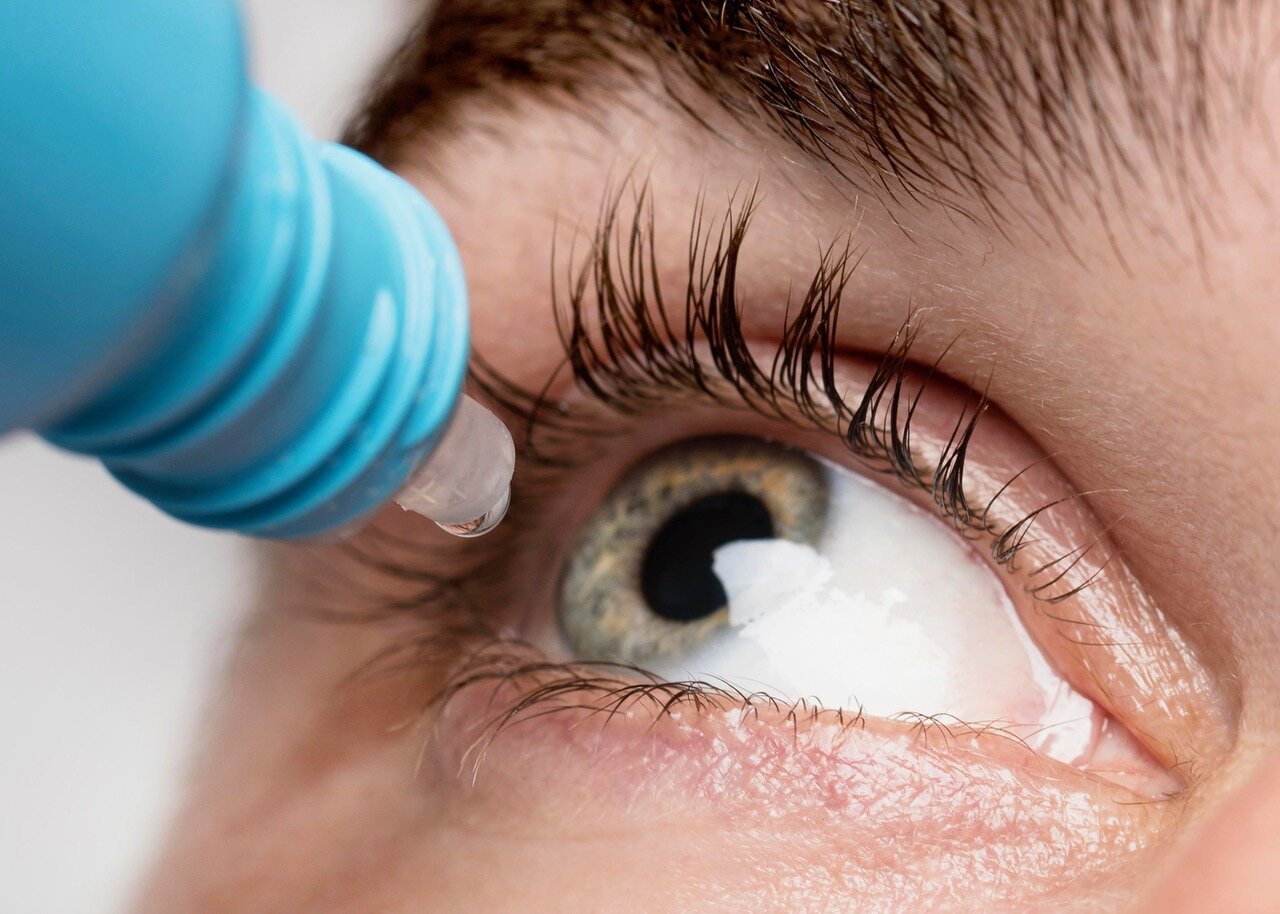
Proper lubrication is essential for maintaining healthy, comfortable eyes. Dry eye disease occurs when the delicate balance of your tear film is disrupted, either through insufficient tear volume or a change in tear composition. Managing this condition is a journey toward wellness; by utilizing modern treatments to improve tear production and quality, we can effectively soothe irritation and protect your long-term ocular health.

Cataracts
A cataract is a common, treatable change where the eye’s natural lens becomes progressively cloudy, much like a window that has fogged over. While aging is the most frequent cause, various factors can contribute to this shift in your sight. Because cataracts develop slowly, we work closely with you to monitor their progress and determine the perfect time for intervention. Our priority is to ensure your vision remains a reliable bridge to the world around you.
Diabetic Retinopathy
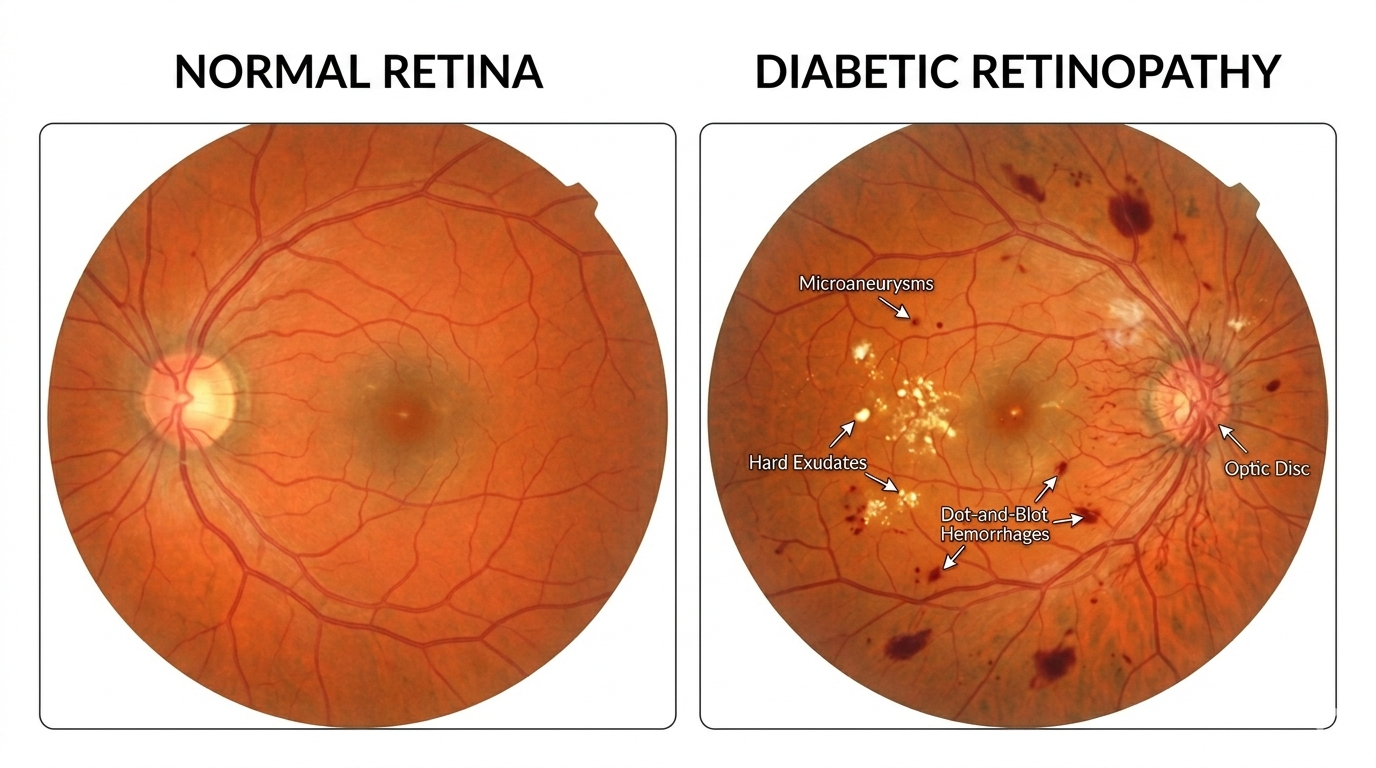
At Northern Kentucky Eye Care, we understand that a diagnosis of diabetic retinopathy can be daunting. Our approach isn't just about treating a condition; it's about preserving your independence. Our specialists combine empathetic care with the latest diagnostic imaging to catch changes early. From personalized glucose management strategies to gentle, in-office treatments, we are your dedicated partners in maintaining a clear outlook on the future.
Corneal Dystrophy
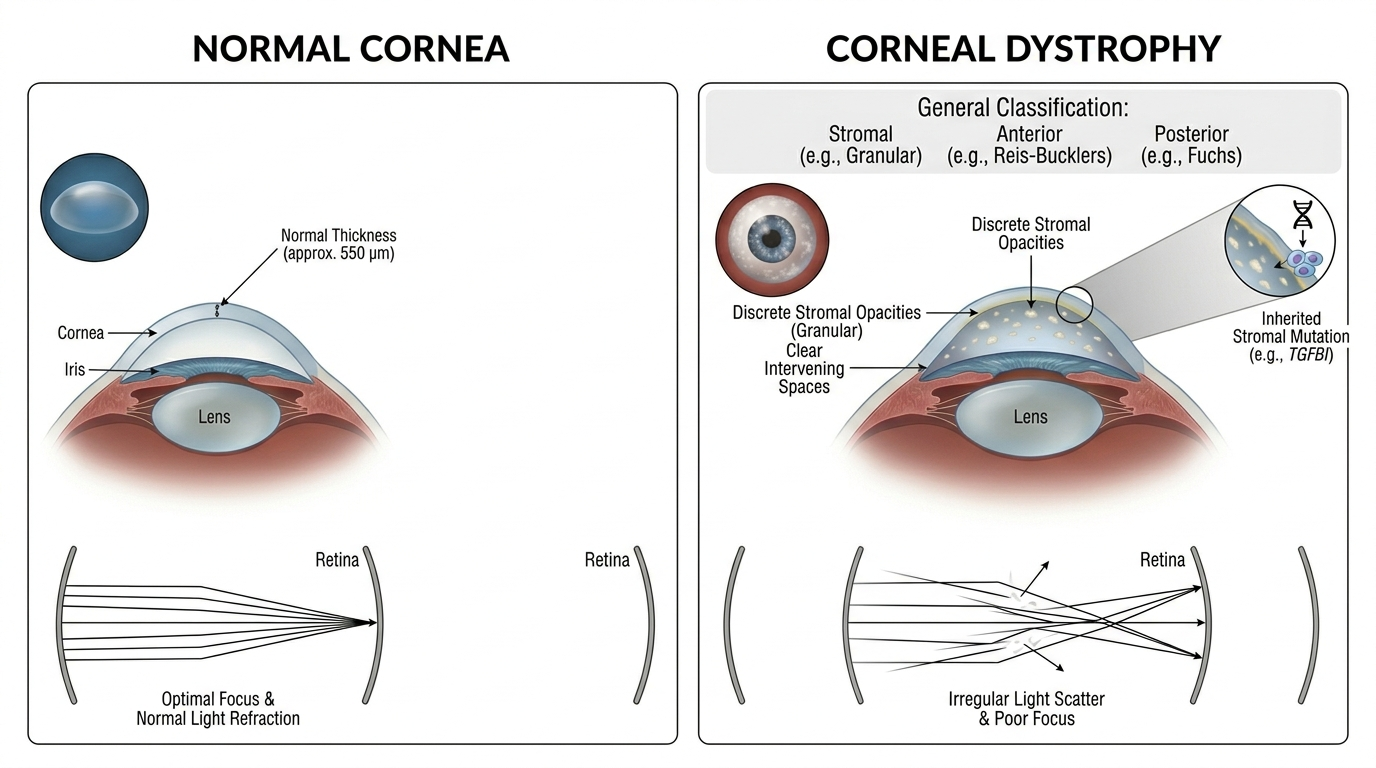
Corneal dystrophies often progress slowly, causing "cloudy" vision or morning blurred vision that lingers. We specialize in diagnosing and managing these genetic conditions with a focus on long-term comfort. Whether you are dealing with the fluid buildup of Fuchs' Dystrophy or the discomfort of recurrent erosions, our team provides tailored solutions—ranging from specialized eye drops and therapeutic lenses to advanced resurfacing—designed to clear the "fog" and protect your delicate corneal surface.
Glaucoma
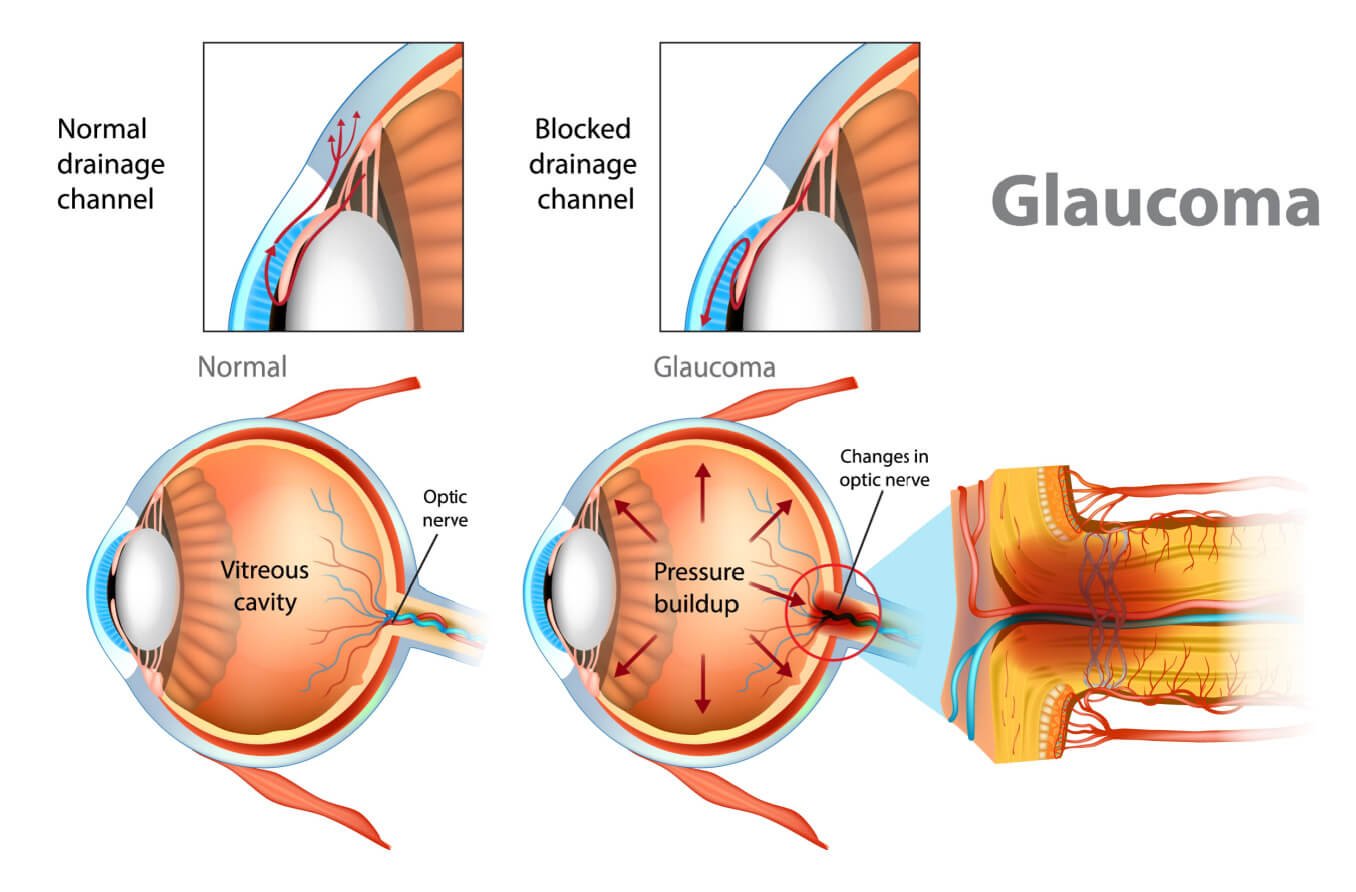
Clarity and health go hand-in-hand. Glaucoma, though common, is a complex condition that impacts the optic nerve and can affect individuals at any stage of life. Because this damage is often linked to internal eye pressure, we focus on gentle, consistent monitoring to detect changes before they impact your daily life. Our goal is to provide you with the peace of mind that comes from expert care and early detection, ensuring your world stays in focus.

Macular Degeneration
Your ability to see fine details—the words on a page, the face of a loved one, or the road ahead—is powered by the macula, the center of your retina. Age-Related Macular Degeneration (AMD) is a condition that can affect this delicate area, primarily in those over age 50. While it can impact your central vision, our goal is to provide the specialized care and monitoring needed to protect your sight.
Dry AMD: The most common form, where the macula thins gradually over time. We focus on gentle monitoring and lifestyle support to manage its slow progression.
Wet AMD: A less common but more advanced stage where delicate vessels beneath the retina require prompt attention. Early detection is our greatest tool here, allowing us to use modern treatments to help stabilize and protect your vision.
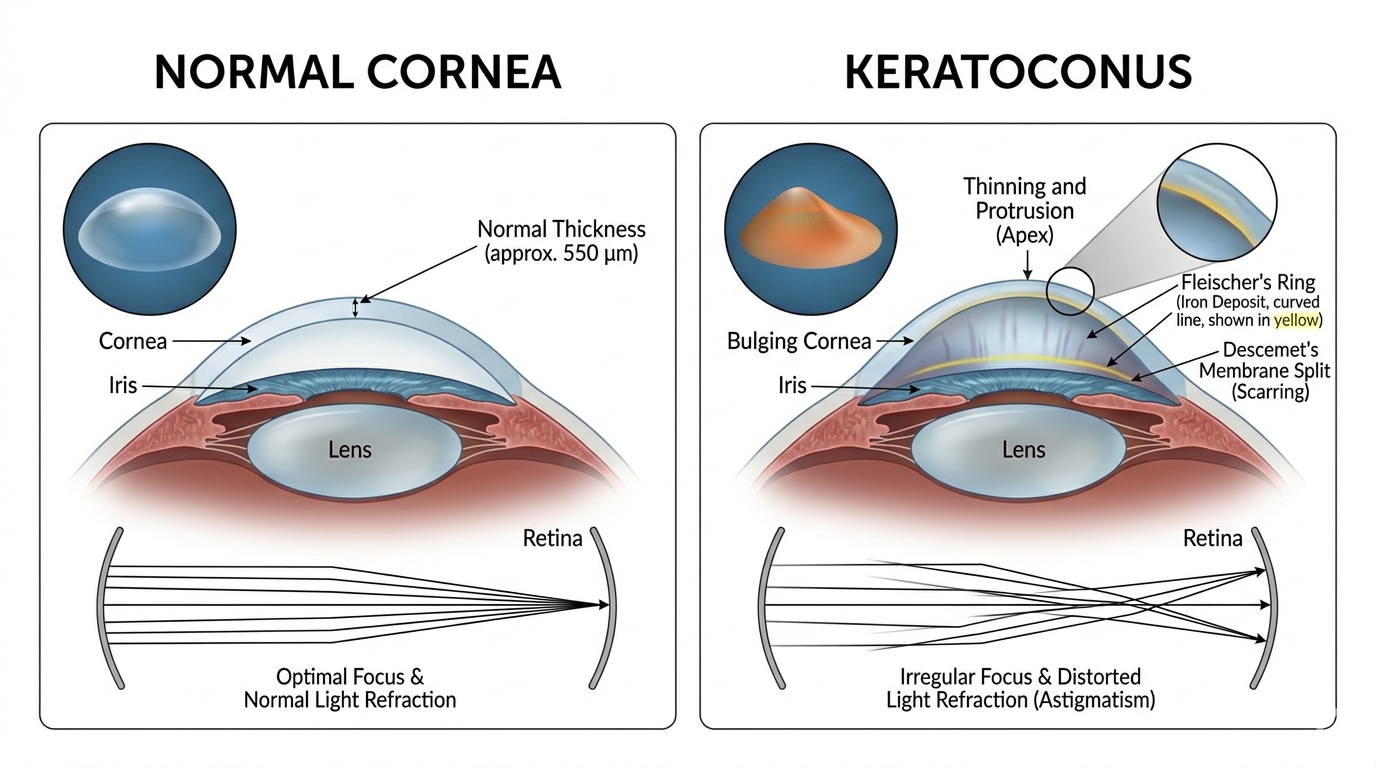
Keratoconus
Living with keratoconus means dealing with more than just "bad vision"—it’s the glare, the halos, and the frustration of traditional glasses failing to help. At Northern Kentucky Eye Care, we specialize in reshaping your visual experience. By utilizing advanced corneal mapping, we design custom Scleral Lenses and Rigid Gas Permeable (RGP) options that vault over the irregular cornea, providing the crisp, stable vision you’ve been missing. We don't just treat the eye; we bring your world back into focus.